What Altimeter, Barometer, Heart Rate, SpO2, Accelerometer & Auto Sleep Tracker Features Actually Are
Altimeter, Barometer, Heart Rate, SpO2, Accelerometer & Auto Sleep Tracker: Modern smartwatches are no longer just for checking time or notifications. Today, they are packed with advanced sensors like altimeters, barometers, heart rate monitors, SpO2 sensors, accelerometers, and auto sleep trackers.
But here’s the problem, many buyers don’t actually understand what these features do or whether they really matter. As a result, they either overspend on features they don’t use or miss out on important health tools.
In this guide, I’ll break everything down in a simple, practical way. You’ll learn what these sensors are, how they evolved, how they work, and most importantly, how to choose the right device without making costly mistakes.
What Altimeter, Barometer, Heart Rate, SpO2, Accelerometer & Auto Sleep Tracker Features Actually Are
What is an Altimeter & Barometer
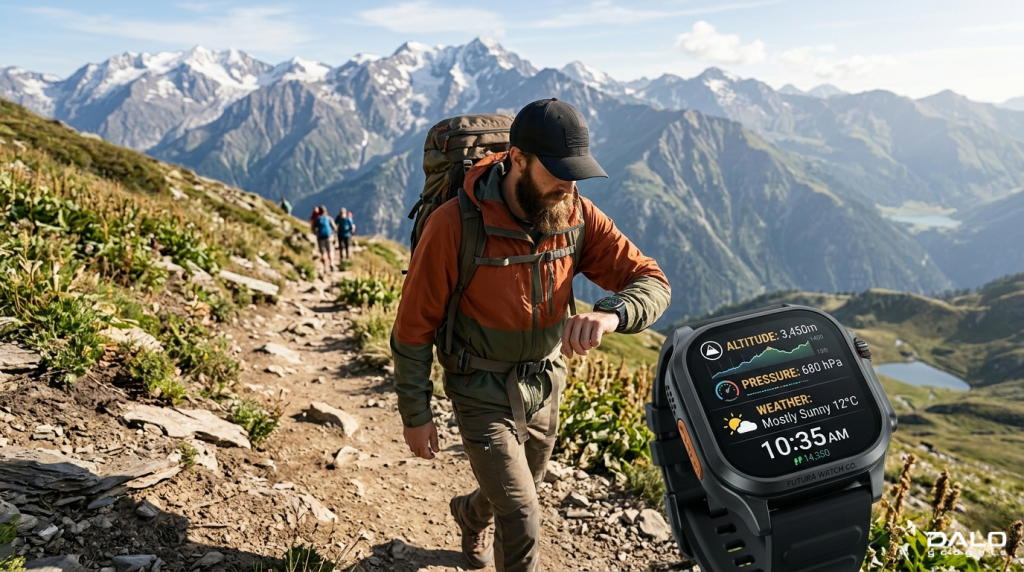
An altimeter measures altitude (your height above sea level), while a barometer measures air pressure. Together, they help track elevation changes, perfect for hiking, trekking, or climbing stairs.
What is a Heart Rate Sensor?
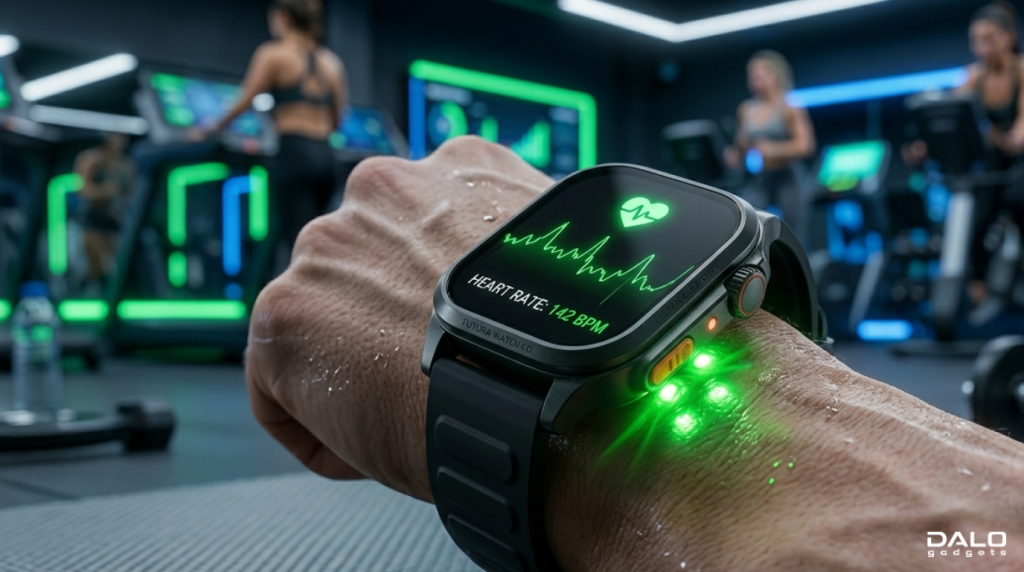
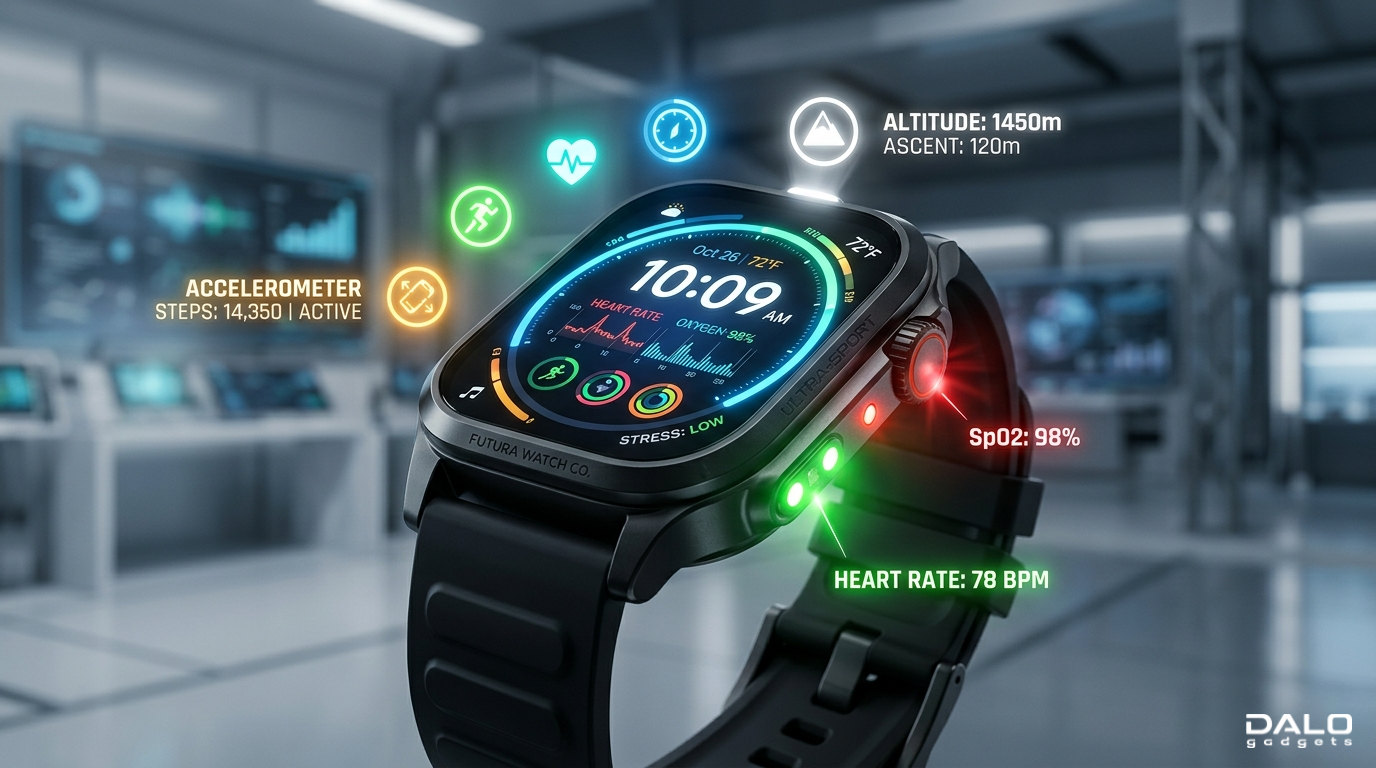
Tracks your pulse in real-time using optical sensors. It’s essential for fitness tracking and monitoring your overall health.
What is the SpO2 Sensor?
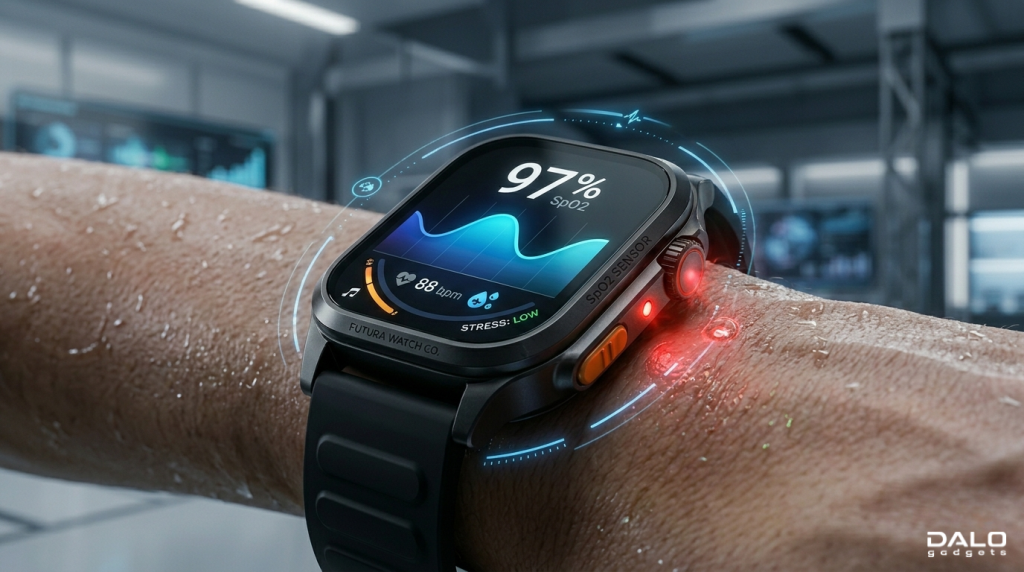
Measures blood oxygen levels. This is useful for athletes, high-altitude travelers, and anyone monitoring respiratory health.
What is an accelerometer?

Detects motion and movement. It’s the backbone of step counting, activity tracking, and gesture controls.
What is Auto Sleep Tracker?
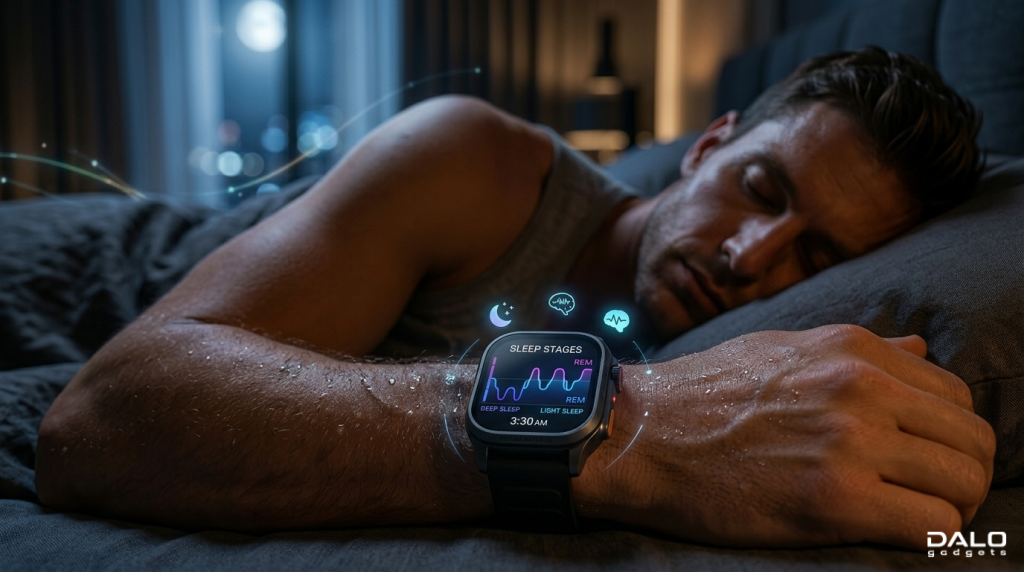
Automatically tracks your sleep patterns, including deep sleep, light sleep, and REM cycles.
Altimeter, Barometer, Heart Rate, SpO2, Accelerometer & Auto Sleep Tracker Features History & Evolution
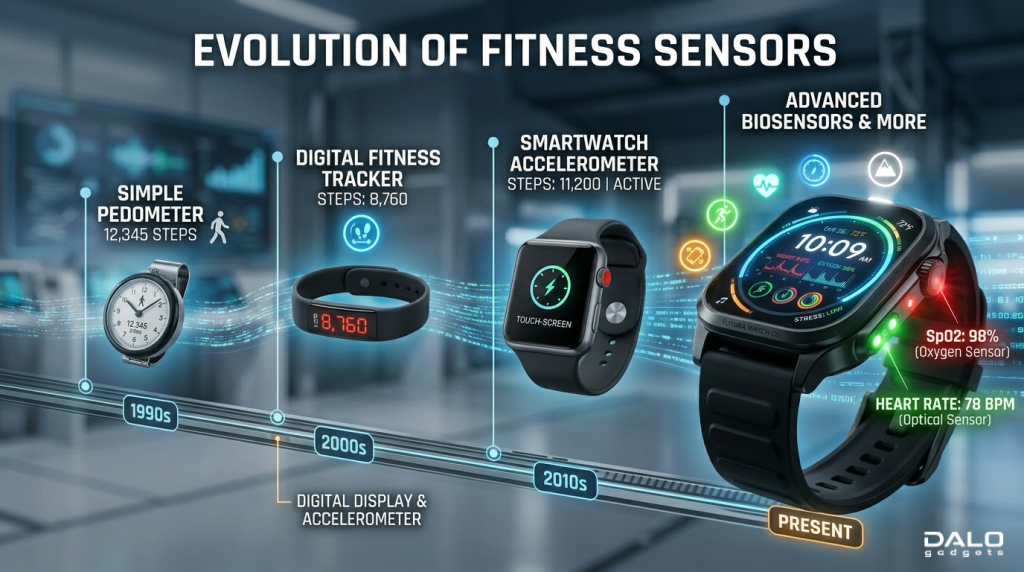
Smartwatch sensors didn’t appear overnight. They evolved over decades:
- Early pedometers used simple motion sensors
- Heart rate monitoring became popular in fitness bands around 2010
- SpO2 sensors gained attention during the COVID-19 era
- Altimeters and barometers were originally used in aviation and outdoor gear
Today, all these technologies are combined into one compact wearable device, making smartwatches incredibly powerful.
Types, Examples & Use Cases
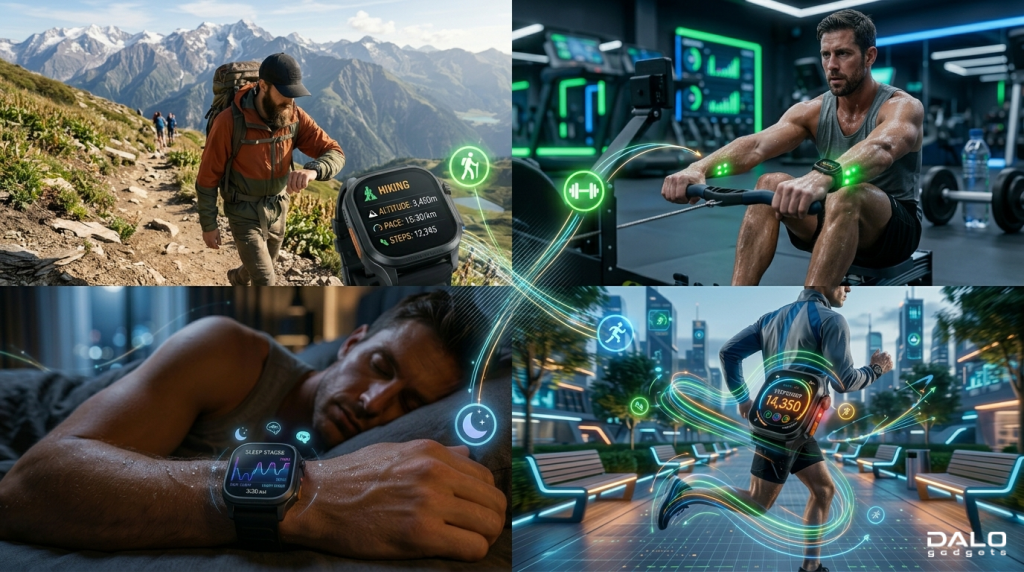
1. Altimeter & Barometer Use Cases
- Hiking and trekking
- Stair climbing tracking
- Weather prediction (pressure changes)
2. Heart Rate Monitoring Types
- Continuous tracking
- Workout-based tracking
- Resting heart rate analysis
3. SpO2 Monitoring
- Spot check readings
- Continuous overnight tracking
4. Accelerometer Functions
- Step counting
- Activity detection
- Fall detection
5. Sleep Tracking
- Automatic sleep detection
- Sleep stage analysis
- Sleep score generation
Top 5 Smartwatches with These Features
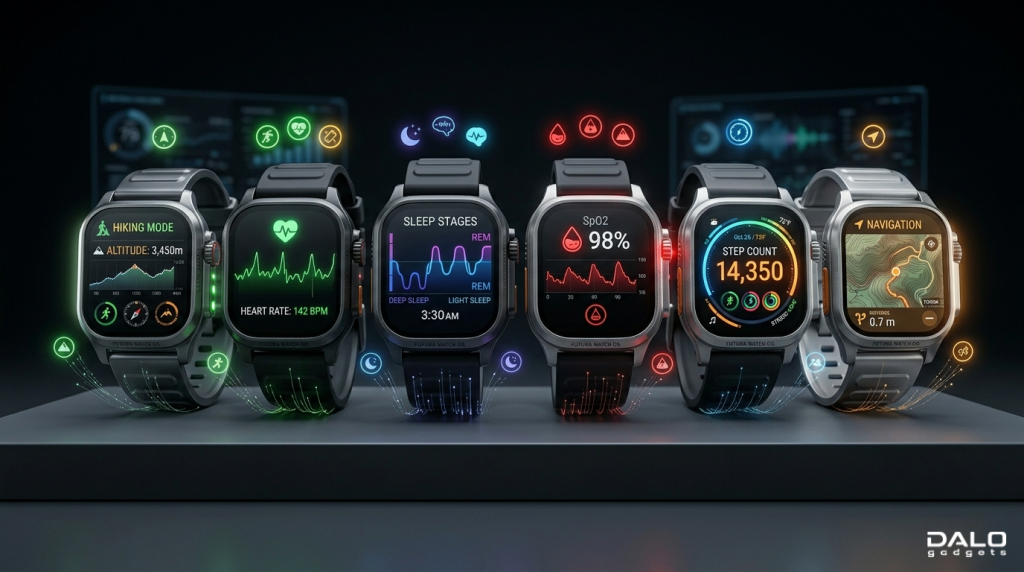
1. Apple Watch Series 9
- Accurate heart rate & SpO2
- Advanced sleep tracking
- Excellent ecosystem
2. Samsung Galaxy Watch 6
- Strong health tracking
- Good barometer & altimeter
- Smooth UI
3. Garmin Forerunner 265
- Best for athletes
- Extremely accurate sensors
- Advanced elevation tracking
4. Amazfit GTR 4
- Budget-friendly
- Good sensor accuracy
- Long battery life
5. Fitbit Sense 2
- Excellent sleep tracking
- Stress monitoring included
- Reliable heart rate data
Why These Features Matter
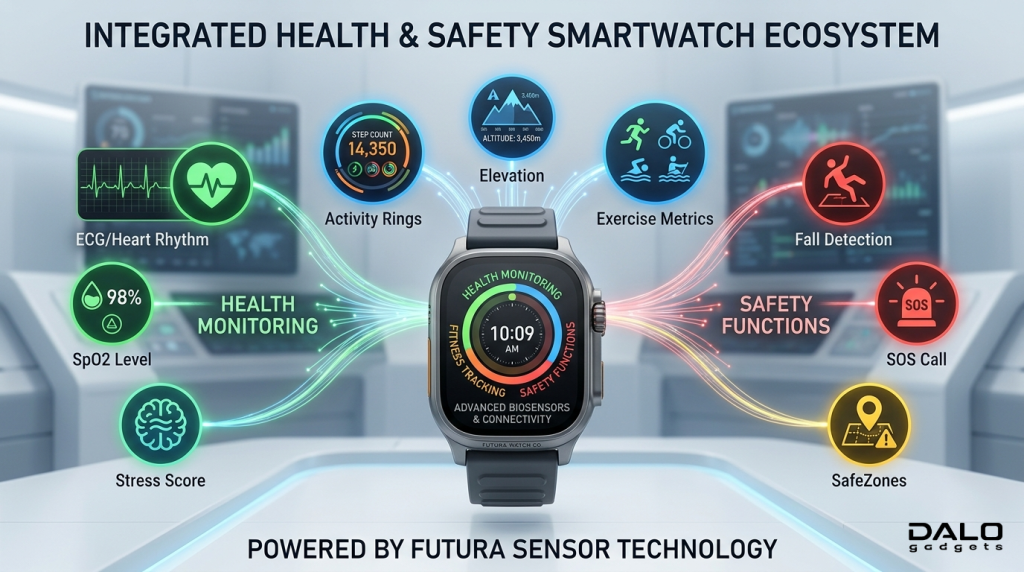
These sensors are not just “extra features”, they actually improve your daily life:
- Health Awareness: Heart rate and SpO2 help detect early health issues
- Fitness Tracking: Accelerometer and altimeter improve workout accuracy
- Better Sleep: Sleep tracking helps you understand recovery
- Outdoor Safety: Altimeter and barometer assist in navigation
If you ignore these, you’re basically buying a smartwatch with limited real value.
What You Must Know (And 3 Mistakes to Avoid)
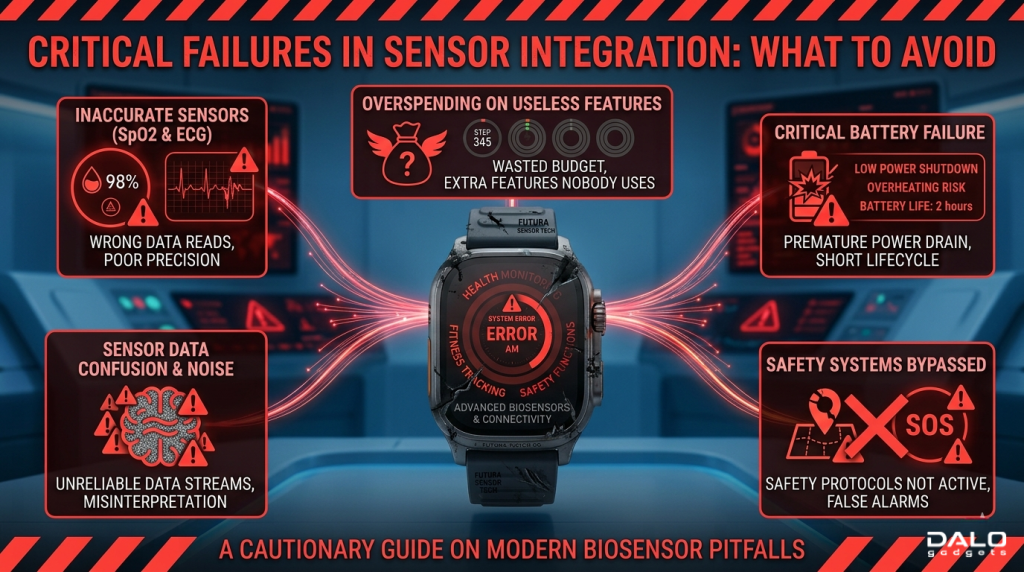
Mistake #1: Trusting Cheap Sensors Blindly
Not all sensors are accurate. Budget devices may give inconsistent readings.
Mistake #2: Ignoring Your Use Case
If you don’t hike, you probably don’t need an advanced altimeter.
Mistake #3: Overlooking Battery Life
More sensors = more battery usage. Always check real-world battery performance.
How to Check Sensor Quality
- Read real user reviews
- Compare accuracy tests
- Look for brand reputation
- Check software optimization
What You Should Do
- Choose features based on your lifestyle
- Prioritize accuracy over quantity
- Balance battery life and performance
Advantages and Disadvantages
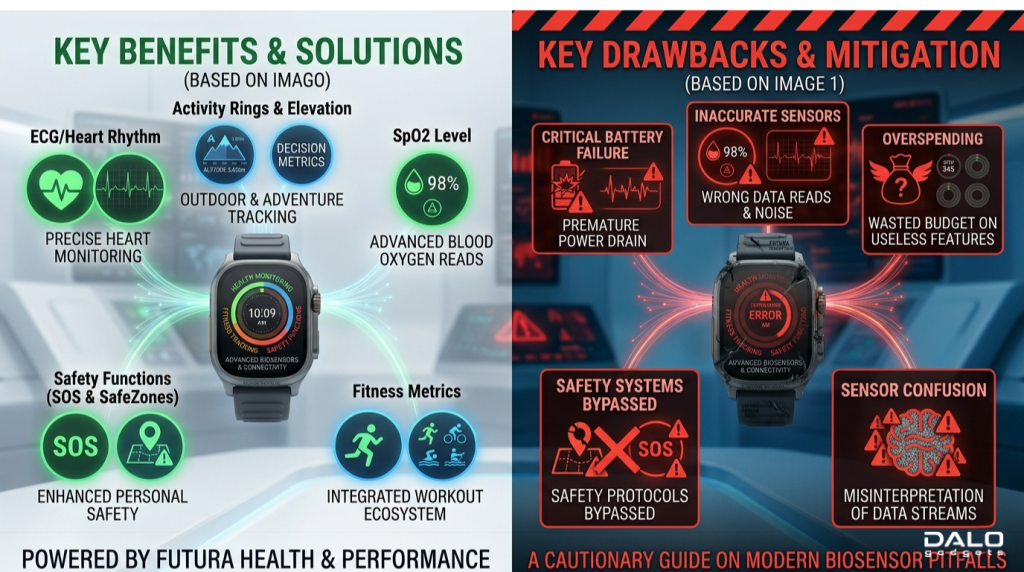
Advantages
- Better health monitoring
- Improved fitness tracking
- Useful for outdoor activities
- Smart automation (sleep tracking)
Disadvantages
- Can drain battery quickly
- Some sensors may be inaccurate
- Not all features are useful for everyone
- Premium models can be expensive
How to Choose the Right Smartwatch
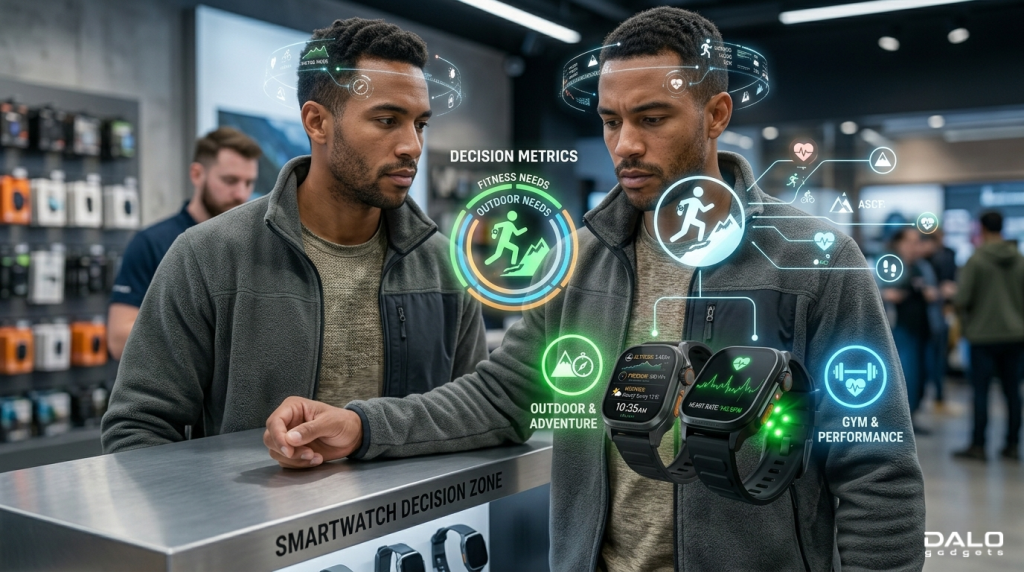
1. For Fitness Lovers
Go for accurate heart rate + accelerometer + SpO2
2. For Outdoor Users
Look for altimeter + barometer + GPS
3. For Health Monitoring
Prioritize heart rate + SpO2 + sleep tracking
4. For Budget Buyers
Choose fewer but reliable features instead of many weak ones
Conclusion
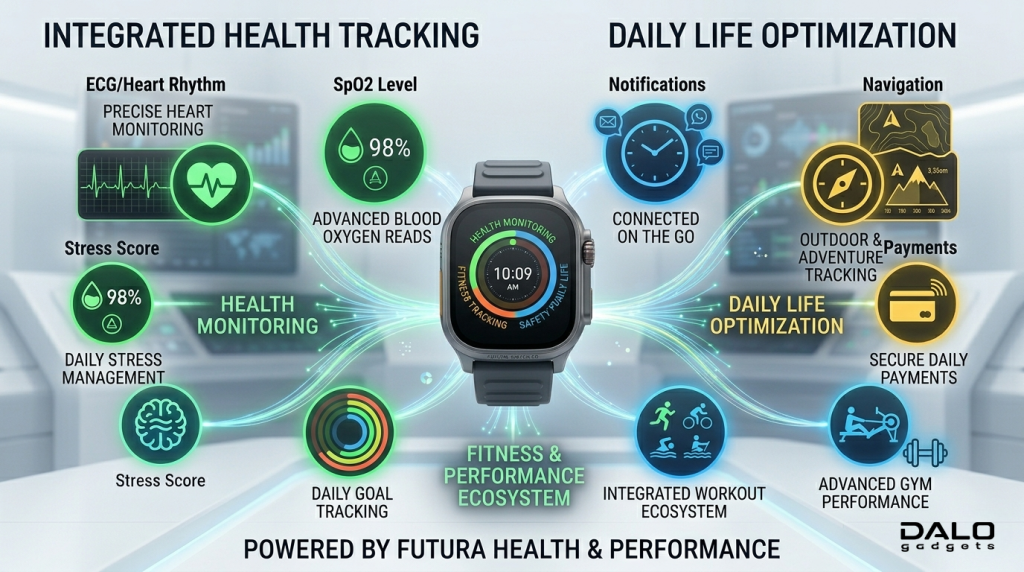
Smartwatch sensors like altimeter, barometer, heart rate, SpO2, accelerometer, and auto sleep tracking are more than just technical specs, they define your overall experience.
The key is not to chase every feature, but to choose the ones that actually match your lifestyle. A well-balanced smartwatch with accurate sensors can improve your health awareness, fitness tracking, and daily convenience.
If you avoid the common mistakes and follow a smart buying approach, you’ll get a device that truly adds value, not just another gadget on your wrist.
FAQ Section
What does an altimeter do in a smartwatch?
It measures your elevation and tracks altitude changes.
Is SpO2 necessary in a smartwatch?
Yes, it helps monitor blood oxygen levels and overall health.
How accurate are heart rate sensors?
High-end watches are very accurate, but cheaper ones may vary.
Does sleep tracking really work?
Yes, but accuracy depends on the brand and algorithm.
What is the role of an accelerometer?
It detects movement and tracks steps and activity.